
The Parasite Cleanse Controversy
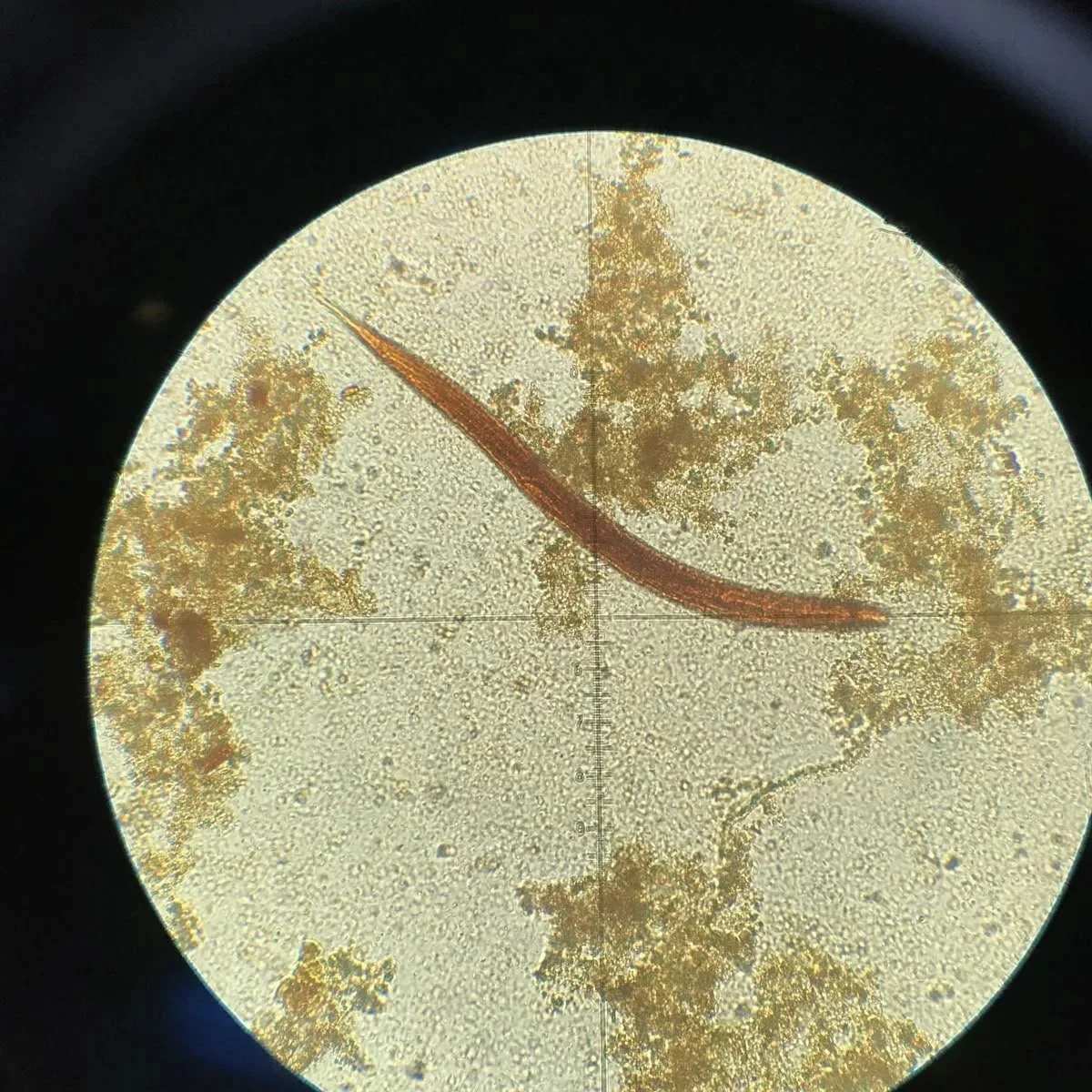
The Parasite Cleanse Controversy: What's Actually Happening in Your Gut
For years, "parasite cleanses" have circulated through wellness spaces with a compelling promise: that many of us are quietly hosting intestinal parasites, that these parasites are behind our bloating, fatigue, skin issues, and brain fog, and that a few weeks of the right herbs will flush them out — often with dramatic, visible proof in the toilet.
It's a tidy story. It's also, in the vast majority of cases I see in clinic, not what's actually going on.
As a naturopath who runs comprehensive stool testing regularly, I want to have an honest conversation about intestinal parasites — what they really are, how often they're actually present, what's really happening during these cleanses, and why the current research means treatment isn't always as simple as "found it, treat it."
What's Actually Happening During a "Parasite Cleanse"
Client after client comes to me convinced they have parasites — not because a test told them so, but because they saw something long, stringy, or worm-like leave their body during a cleanse. It's a genuinely unsettling thing to witness, and I understand why it feels like undeniable proof. Here's the more accurate explanation.
Most cleanse protocols combine strong herbal antimicrobials (black walnut, wormwood, clove) with bulking or binding agents — psyllium husk, bentonite clay, activated charcoal. These ingredients interact with mucus, bile, and the natural lining cells the gut sheds every day, binding them together into long, rope-like, sometimes segmented strands. This is often referred to informally as "mucoid plaque."
It looks organic. It looks like it came from somewhere deep inside you. But mainstream gastroenterology doesn't recognise mucoid plaque as a genuine pathological buildup requiring removal — it's largely a byproduct of the cleanse ingredients themselves reacting with the gut, not evidence of a hidden parasitic infestation that's finally been dislodged.
This matters because when I run comprehensive stool testing on clients who are convinced they have parasites, true pathogenic parasites come back rarely. Not never — but rarely enough that it's clearly not the invisible epidemic the cleanse industry suggests.
Why Parasitic Infection Is So Often Assumed — and So Rarely Confirmed
Part of the reason parasites have become such a popular explanation is that their supposed symptom list is enormous and vague enough to fit almost anyone: bloating, fatigue, brain fog, skin breakouts, sugar cravings, teeth grinding, itchy anus, mood changes, and more. Almost everyone has experienced several of these at some point, which makes the parasite narrative feel personally relevant even when it isn't the actual cause.
In reality, true parasitic infection is uncommon in people without clear risk factors, such as:
Recent travel to endemic regions
Known contaminated water or food exposure
Close contact with untreated soil, livestock, or certain pets
Immunocompromised
A confirmed household or community outbreak
Where symptoms exist without these risk factors, the more likely drivers are dietary patterns, gut dysbiosis, food intolerances, SIBO, or a functional GI disorder — conditions that a harsh, unsupervised parasite cleanse does nothing to address, and may actively worsen by disrupting a healthy microbial balance.
This is why an accurate diagnosis matters so much. Visual "proof" in the toilet is not a diagnostic tool. Stool microscopy and comprehensive testing are.
The Organisms Worth Actually Knowing About
Not all parasites carry the same clinical weight, and this is where the conversation gets more nuanced than the cleanse industry lets on.
Dientamoeba fragilis is one of the most commonly detected organisms on comprehensive stool panels — and one of the best examples of how far the evidence has moved. It used to be treated automatically whenever detected. That approach has shifted considerably: D. fragilis is now understood to be present in a meaningful proportion of completely asymptomatic people. Many practitioners, myself included, no longer treat it by default. The decision comes down to whether the person is genuinely symptomatic, whether other causes have been ruled out, and the full clinical picture — not simply whether a name appears on a lab report.
Blastocystis hominis sits in a similar grey zone. It's frequently detected, frequently harmless, and its role as a true pathogen is still debated in the research. Treatment decisions here again depend on the whole clinical picture rather than presence alone.
Giardia lamblia is a genuine pathogen that reliably causes symptoms — diarrhoea, cramping, bloating, malabsorption — and warrants treatment when confirmed.
Helminths (roundworms, tapeworms, hookworms) are the classic "worms" most people picture, and they are genuinely uncommon in people without relevant travel or exposure history. It's true that in a genuine infection, segments of tapeworm or whole roundworms can occasionally be passed and seen — but this is a real, if uncommon, sign of infection, not something to rely on for diagnosis. Many genuine tapeworm carriers never notice a visible segment at all, and what most people mistake for a worm is far more often mucoid plaque, undigested fibre, or bile-stained mucus. Either way, laboratory testing — stool microscopy for eggs or larvae, or PCR — is what confirms species and guides treatment, not a visual check in the toilet bowl.
The takeaway: a positive result is a starting point for clinical interpretation, not an automatic treatment trigger. Evidence-based naturopathic care means matching the treatment to the organism, the symptom picture, and the person — not treating every detection the same way.
Testing: What's Worth Looking At
Comprehensive Stool Testing (PCR and Shotgun Metagenomic Sequencing)
In clinic, I typically draw on a combination of PCR-based testing and shotgun metagenomic sequencing, because each does something different well. PCR remains the more sensitive tool specifically for detecting parasites — it's targeted, well-validated, and very good at picking up known organisms even in small amounts. Shotgun metagenomic sequencing takes a broader approach: rather than testing against a fixed panel, it reads the genetic material of everything present in the sample, which means it can pick up pathogenic bacteria, yeast overgrowth, and other organisms outside a standard panel, and give a fuller picture of overall gut bacterial balance alongside any parasite findings. Used together, they give a far more complete and accurate picture than either test — or a home cleanse kit and a symptom checklist — could offer alone.
Organic Acids Testing (OAT)
Provides insight into gut dysbiosis markers, yeast overgrowth by-products, and mitochondrial and nutrient status — useful when stool testing alone doesn't fully explain the symptom picture.
Standard Pathology
Full blood count, iron studies, and inflammatory markers (such as CRP) can help rule out other contributors to fatigue and digestive symptoms, and identify nutrient depletion that may accompany a genuine parasitic infection.
This level of assessment gives a clear, evidence-based picture of what's actually driving symptoms — so treatment is targeted and meaningful, not a blanket protocol aimed at an unconfirmed target.
Research-Based Treatment Strategies
Where a genuine pathogenic parasite is confirmed, naturopathic treatment can be both effective and considerably gentler than the harsh 30-day herbal protocols sold online.
Targeted antimicrobial herbs, prescribed at appropriate doses for a defined and confirmed organism, rather than as a broad-spectrum "just in case" approach — this reduces unnecessary disruption to the wider microbiome.
Berberine-containing herbs have demonstrated antimicrobial and anti-parasitic activity against several protozoal organisms, alongside beneficial effects on gut lining integrity.
Biofilm-disrupting agents, used judiciously, can improve the effectiveness of antimicrobial treatment against organisms that persist in protective biofilm layers.
Saccharomyces boulardii and targeted probiotics support the gut environment during and after treatment, helping to re-establish healthy microbial balance rather than leaving a depleted microbiome in the wake of treatment.
Gut lining repair nutrients — including zinc carnosine, L-glutamine, and deglycyrrhizinated liquorice (DGL) — support the intestinal barrier that can be affected both by genuine parasitic infection and by harsh, unsupervised cleanse protocols.
Crucially, treatment is matched to what's actually confirmed on testing — not applied indiscriminately to every stool result that shows an organism's name.
Diet and Lifestyle: Supporting a Resilient Gut
Fibre and diversity matter more than any single "cleansing" food. A varied, whole-foods diet supports the bacterial diversity that naturally helps keep opportunistic organisms in check.
Hydration and regular bowel motility support the gut's own clearance mechanisms — sluggish transit time can allow less favourable organisms and by-products to linger.
Reducing excess sugar and highly processed foods limits the fuel available to less favourable gut organisms and supports a more balanced internal environment.
Stress management is genuinely relevant here. Chronic stress alters gut motility, secretory IgA (a key part of gut immune defence), and microbial balance — all of which influence how resilient the gut is to less favourable organisms.
Food and water safety when travelling remains the most effective real-world prevention — being mindful of water sources, raw produce, and food handling in higher-risk regions meaningfully reduces genuine exposure risk.
A Personalised Approach to Your Care
Not everyone with digestive symptoms has a parasite, and not everyone with a detected organism needs the same treatment. When we work together, the starting point is always understanding you — your symptom history, your risk factors, your test results, and the full clinical picture, rather than reacting to a single line on a lab report or a dramatic moment in the bathroom.
For some clients, the priority is confirming or ruling out a genuine infection through proper testing. For others, it's addressing the dysbiosis, food intolerance, or functional gut issue that's been mistaken for parasites all along. Often the most meaningful progress comes from looking at the gut as an interconnected ecosystem, rather than chasing a single suspected culprit.
This is what evidence-based naturopathic care offers: not a one-size-fits-all cleanse, but an accurate diagnosis and a treatment plan that actually matches what's happening in your body.
Ready to Get an Actual Answer?
If you've been wondering whether you have parasites — whether it's based on symptoms, something you saw during a cleanse, or ongoing digestive issues that haven't resolved — I'd love to help you find out properly. A free discovery call is a relaxed, no-pressure opportunity to share what you've been experiencing and find out whether comprehensive testing and a personalised naturopathic approach could get you real answers.
Click here to book a consultation or free discovery call.
You can also reach out via email at hello@emmenaturopathy.com.au
